


Priority for 2024: decision-making in health care – only involving key communities and civil society
The time has come to institutionalise the participation of NGOs and key communities in decision-making, as this will serve as a valuable tool and catalyst for the integration of Universal Health Coverage (UHC) in Eastern Europe and Central Asia (EECA). And the 77th World Health Assembly, scheduled for May 2024, could be the most appropriate place to formulate such a recommendation. This was the conclusion of Amy Baldosser-Bosch, Head of the Secretariat of the Civil Society Engagement Mechanism for UHC 2030, which represents the interests of about 1000 organisations in more than 100 countries (CSEM), at the final annual consultation of the HAC.
ON THE FINAL CONSULTATION OF THE HEALTH ADVOCACY COALITION
The event “Universal health coverage in 2024 and beyond: what steps are important right now?” attracted nearly 30 participants from:
- NGO staff and activists working on HIV, TB, hepatitis and reproductive health,
- as well as representatives from key communities – including PLHIV, people with a history of TB, people who use drugs, people in prison, as well as gay men and men who have sex with men, transgender people, people with diverse identities, and migrants.
The ultimate goal of our efforts is to create health systems that will best meet the needs of key communities in EECA countries. Since, according to WHO and the World Bank, about 50% of the world’s population is not covered by basic health services, and 2 billion people are financially strained by health care costs.
One of the keynote speakers at the final consultation was Amy Boldosser-Boesch, an expert with 20 years of experience in global health policy and advocacy with a focus on women’s and ad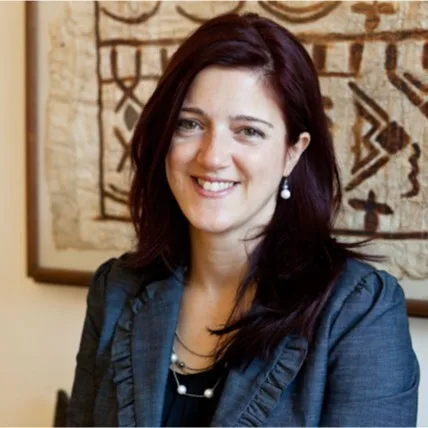 olescents’ health and rights. She highlighted key findings on the state of UHC in the world and the countries of the EECA region in particular:
- Most countries recognise UHC as a goal but do not take concrete practical steps to achieve it – only 41% have enacted UHC laws to ensure equitable, affordable access to health services.
- Only few countries have a formal, effective accountability mechanism for UHC, with inadequate multistakeholder engagement (in the EECA region, none at all).
- Vulnerable individuals and groups continue to face financial and structural barriers to accessing the health services and commodities they need.
- There’s a global shortage of health and care workers and lack of support for the health and care workforce.
- Globally, and especially in the EECA region, public spendings for health are inadequate to achieve UHC.
- There is lack of commitment to achieving gender equality in the health and care workforce.
PLANS FOR THE WORLD HEALTH ASSEMBLY AND INCREASED COLLABORATION WITH THE WHO REGIONAL OFFICE
Sergey Dmitriev, Executive Director of HAC, spoke about the progress made in building relations with the WHO Regional Office In particular, in 2024, it is expected that WHO will participate in consultations organised by the organisation to establish direct contact between WHO country representatives on UHC and civil society representatives from a number of EECA countries.
Also in May 2024, CSEM plans to initiate a resolution at the World Health Assembly on institutionalising social participation: empowering people, key communities and civil society representatives to participate in health decision-making processes. WHO has developed guidance on this topic – it is now important that Ministers of Health agree on principles and mechanisms for implementation at national level.
PRISONERS HAVE FALLEN OUT OF THE FOCUS OF UHC
At the HAC event, an interactive discussion focused on discussing issues related to prisoners: both in the context of their complete absence from the UHC 2023 political declaration, and in terms of the practical challenges this population faces in accessing healthcare.
THE ROLE OF THE HAC IN STRENGTHENING THE UHC COMPLEX IN THE EECA REGION
The final HAC consultation concluded the first cycle of country and regional meetings on UHC for representatives of more than 30 NGOs. The previous consultations covered other fundamental topics, presenting relevant mechanisms and tools for change in different states and systems:
- fundamental concepts of UHC and how this relates to HIV, TB and relevant health areas;
- what are the key commitments countries have to UHC;
- what tools activists and NGOs have to influence;
- and what opportunities are coming up in the near future – including at a high-level meeting (in September 2023 in New York).
In 2024, the HAC team plans not only to build structured work with WHO, but also to remain a communication and convening platform, a civil society driver for UHC. One of the levers for this work will be to promote decentralisation of services.
The event reports:
Related news
Patients community data as a driver of change: how CLM helped shape HIV policy decisions in Ukraine during wartime

Global Civil-Society Coalition Sounds Alarm on Funding Re-prioritisation Threatening Community-Led HIV, TB and Malaria Services
Dozens of specialists and experts gathered in Moldova to agree on an action plan to empower the communities in EECA countries to improve HIV and TB healthcare system

UHC Day 2024: how to get the most out of this year’s campaign for your country?

