


Dozens of specialists and experts gathered in Moldova to agree on an action plan to empower the communities in EECA countries to improve HIV and TB healthcare system
The Health Advocacy Coalition is delighted to highlight its participation in the recent event, Uniting Science and Community to Accelerate the HIV Response in Eastern Europe and Central Asia (EECA). This symposium appeared as the perfect opportunity to discuss in the local context the latest scientific evidence from the 25th International Conference AIDS 2024. Sergii Dmytriiev, our Executive Director, took center stage with a compelling presentation titled “Empowering Communities: CLM as a Tool to Address Gaps in Access and Quality of Health Care in EECA Countries.”
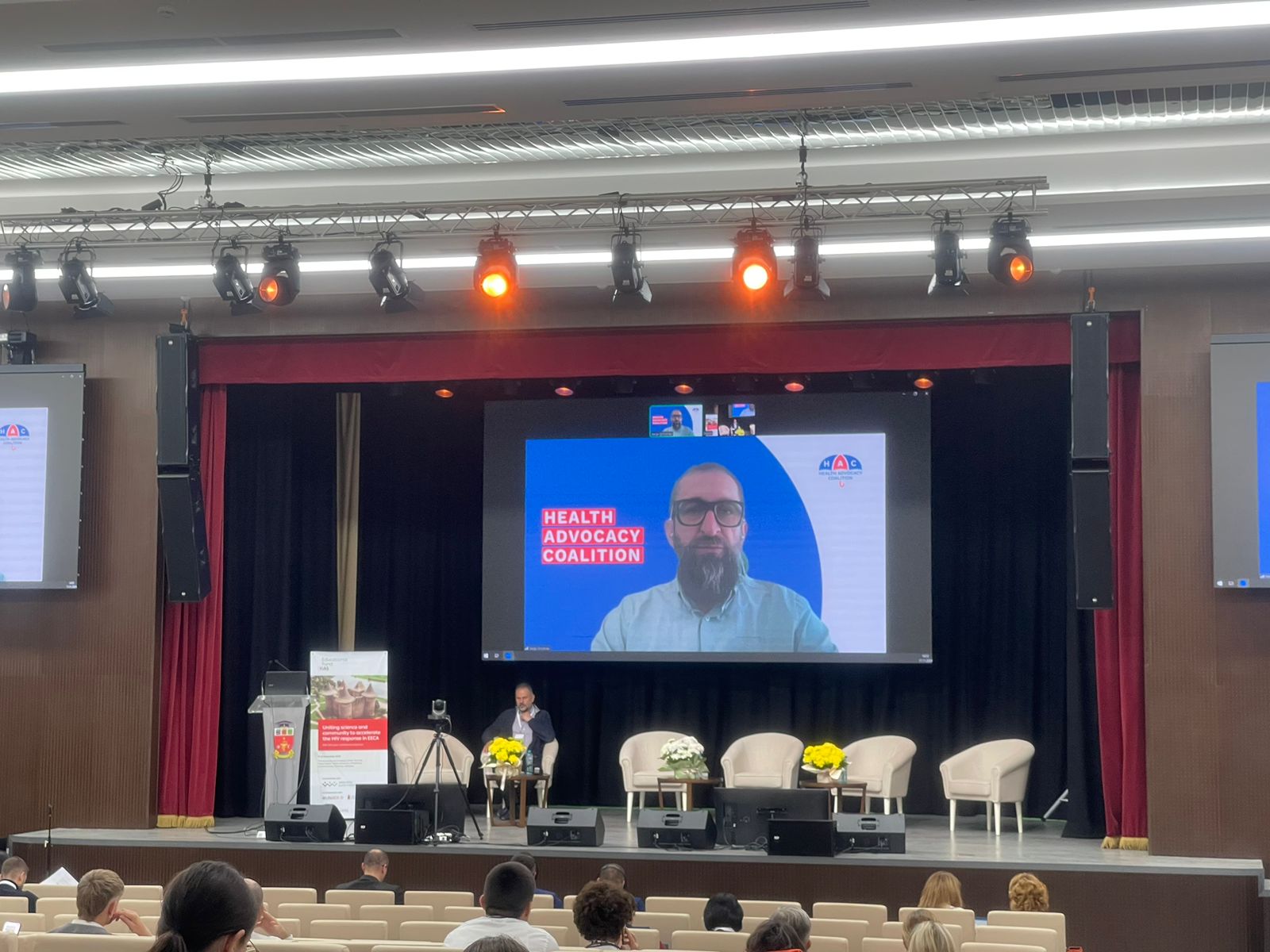 Sergii Dmytriiev’s speech underscored the transformative potential of Community-Led Monitoring (CLM) in reshaping HIV and tuberculosis (TB) service delivery across the countries in the EECA region. CLM empowers key population communities (sex workers, men who have sex with men, transgender people, people who inject drugs, and people in prisons and other enclosed settings) to actively participate in overseeing healthcare services, fostering greater accountability and inclusivity. By evolving from isolated pilot projects into an integrated system, CLM enables continuous public oversight of healthcare quality and efficiency.
Dmitriiev illuminated as well how CLM fosters collaboration among governments, civil society, and communities, ensuring equity and responsiveness in addressing the needs of marginalized groups. Through structured data collection and analysis, CLM aligns service delivery with established standards, offering actionable insights to enhance care quality.
Sergii’ participation reinforces the role of HAC as a vital force in addressing healthcare disparities through innovative, community-driven approaches. Our team is committed to advance health equity and ensure accessible, high-quality care for all.
 Our key 5 recommendations towards strengthening health equity through CLM are following:
- Empowering Communities: Enabling communities (particularly marginalized and vulnerable groups) to lead monitoring efforts to ensure their needs are met effectively.
- Expand Integration of CLM Across All Levels of HIV and TB Services: Establish CLM universally at national, regional, and local levels to uphold consistent service quality and accessibility.
- Promote Data-Driven Improvements in Healthcare Services: Use structured data insights from CLM to assess service adherence to standards and drive continuous improvement in healthcare delivery.
- Fostering Partnerships: Building collaborations to create unified responses to HIV and TB challenges in the EECA region.
- Responsive Care Focus: The ongoing support for CLMis essential to meet the changing needs of communities affected by HIV, aiming for a comprehensive and inclusive approach.
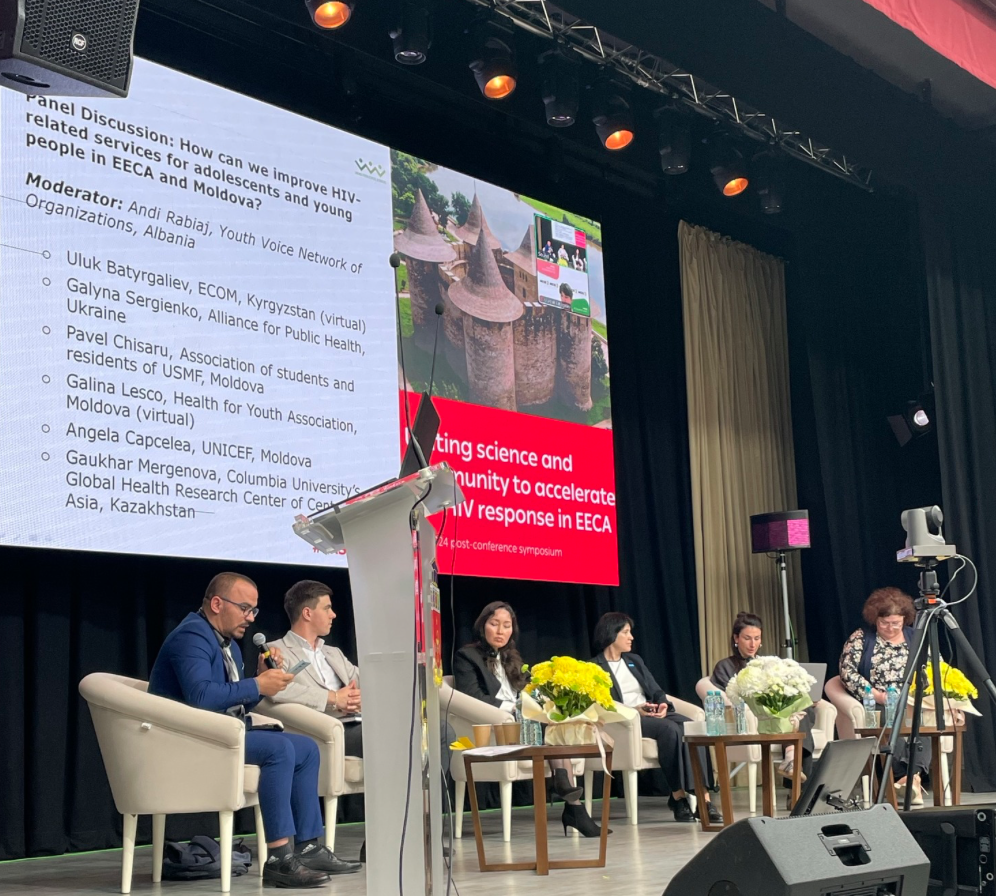
Also during the event, the speakers and participants discussed the speakers the issues of youth leadership and interventions, innovation in HIV prevention and treatment, as well as the treatment cascade and the power of data for a better HIV response.
Related news
Patients community data as a driver of change: how CLM helped shape HIV policy decisions in Ukraine during wartime

Global Civil-Society Coalition Sounds Alarm on Funding Re-prioritisation Threatening Community-Led HIV, TB and Malaria Services
Dozens of specialists and experts gathered in Moldova to agree on an action plan to empower the communities in EECA countries to improve HIV and TB healthcare system

UHC Day 2024: how to get the most out of this year’s campaign for your country?

