


Patients community data as a driver of change: how CLM helped shape HIV policy decisions in Ukraine during wartime
In less than a year, Community-Led Monitoring (CLM) contributed to decisions that directly improved access to healthcare for tens—and potentially hundreds—of thousands of people from communities disproportionately affected by HIV in Ukraine. Until now, the public health system had no comparable source of structured, large-scale patient feedback, making the contribution of these data to health policy and decision-making unprecedented.
 In several regions, local budgets were allocated to fund essential medicines for women living with HIV, as well as infant nutrition support for their children. In two regions still operating under the ongoing impact of the war, nearly 100 healthcare professionals completed training on stigma and discrimination prevention. Patient referral pathways and service delivery algorithms were also revised in several regions to improve continuity of care.
These changes resulted from a new chatbot-based CLM tool that, for the first time in Ukraine, simultaneously covered multiple key populations across several regions and was integrated into the national public health data system. The initiative was implemented under the extraordinary conditions of full-scale war, mass population displacement, an overstretched healthcare system, and continuing humanitarian instability.
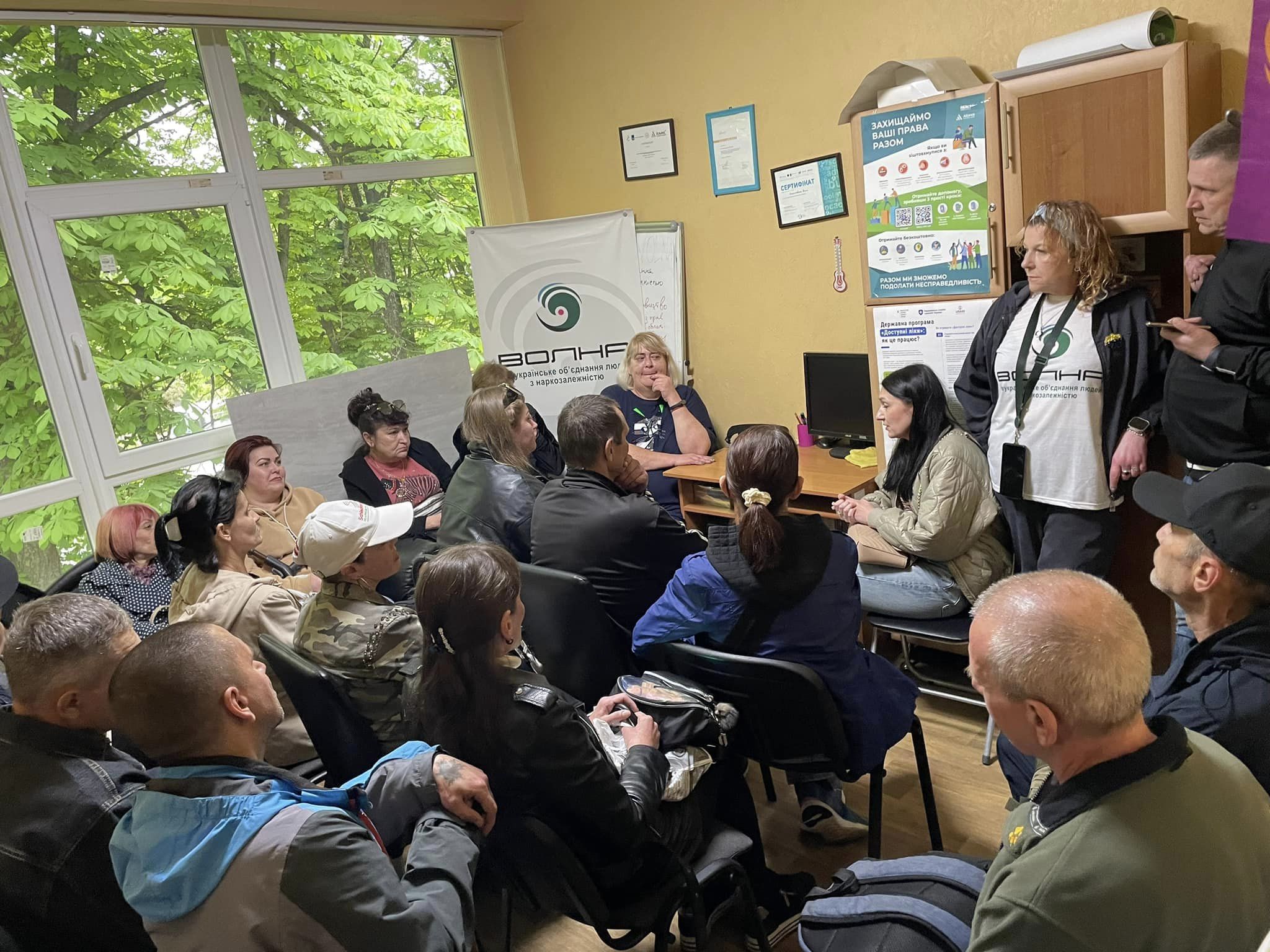
The experience is documented in a new HAC publication developed in partnership with two community-based patient organizations: Positive Women, representing women living with HIV, and VOLNA, working with people with lived experience of psychoactive substance use.
What Changed Through CLM
The publication reaches a clear conclusion: CLM can serve not only as a data collection or monitoring and evaluation tool, but also as a mechanism for influencing policy decisions, financing, and the organization of healthcare services.
For the first time, I felt that someone was asking for my opinion—and that it actually mattered. It wasn’t just another survey or information-gathering exercise. It was a real opportunity to influence the way things are.
Olena, 43, Zaporizhzhia, woman living with HIV
Among the outcomes of the first implementation cycle:
- regional health authorities received robust evidence on barriers to healthcare access experienced by women living with HIV and people with lived experience of drug use;
- data collected directly from patient communities began informing decision-making and service planning at the regional level;
- patient feedback was integrated into the Central Database of the Public Health Center of Ukraine—effectively becoming the first documented case in the EECA region where CLM data were incorporated into a national digital public health infrastructure alongside routine government monitoring data;
- for the first time, the Poltava Regional Council approved funding for infant formula and lactation suppression medicines for women living with HIV;
- patient referral pathways and service navigation mechanisms were redesigned in several regions, reducing losses along the continuum from diagnosis to treatment;
- nearly 100 healthcare professionals in Zaporizhzhia and Mykolaiv regions completed training on non-discrimination and patient-centred care.
Importantly, these outcomes were achieved in less than one year and with relatively modest financial resources.
Why This Experience Matters Now
As HAC Executive Director Serhii Dmytriiev notes, achieving the global UNAIDS 95-95-95 targets is impossible without effective CLM:
The HIV service cascade—from testing to viral suppression—breaks down precisely where public monitoring systems fail to capture people’s lived experiences. CLM helps bridge this gap by identifying where people fall out of care, why this happens, and what interventions are needed to address these barriers.
Ukraine’s experience is particularly valuable because it was developed during a full-scale war, amid the displacement of millions of people, damaged healthcare infrastructure, disrupted supply chains, overstretched health services, and chronic resource shortages.
Under such conditions, patient experience becomes an early-warning system for identifying problems that often remain invisible in official statistics.
What the Publication Offers
The case study documents the entire CLM cycle—from tool design to impact assessment—and is structured so that other organizations can replicate the same process: Problem → Monitoring → Evidence → Advocacy → Decision → Change → Impact Assessment.
The publication provides practical guidance on: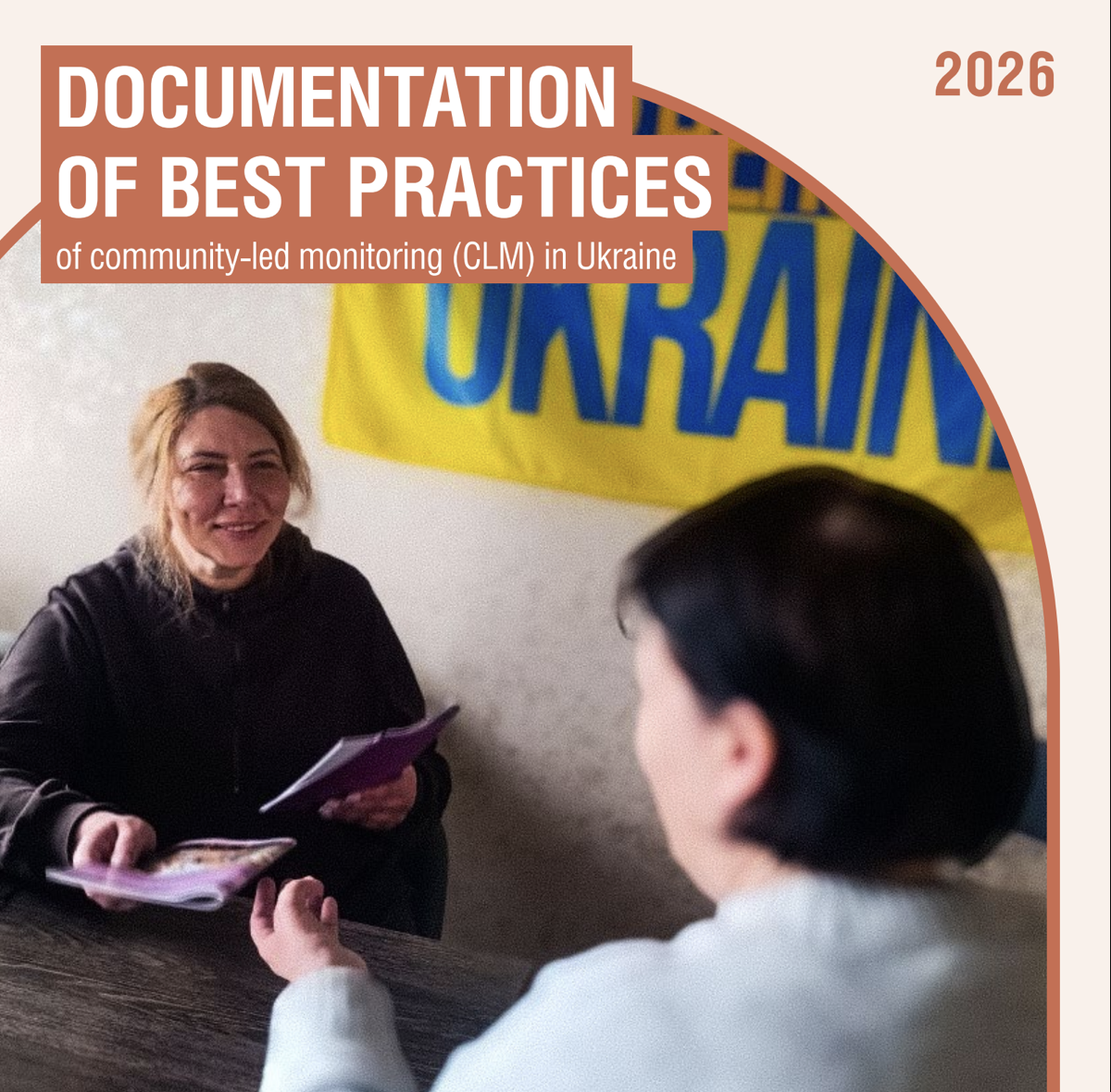
- designing CLM tools;
- developing questionnaires and chatbot logic;
- training community monitoring staff;
- organizing data collection, validation, and analysis;
- identifying implementation challenges and resource requirements;
- understanding critical success factors;
- building collaboration with health authorities;
- using evidence effectively in advocacy;
- adapting the model to different countries and implementation contexts.
Importantly, the publication does not focus solely on successful interventions. It also documents what did not work, which approaches required substantially greater time and resources than anticipated, and what should be considered when adapting the model elsewhere.
Rather than a traditional analytical report, it serves as a practical implementation guide for organizations planning CLM initiatives across Eastern Europe and Central Asia, as well as for Ukrainian patient organizations seeking to strengthen or expand their existing CLM systems.
From Local Patient Feedback to National Health Information Systems
One of the project’s most significant achievements was the integration of CLM data into the Central Database of the Public Health Center of Ukraine.
According to Serhii Myroniuk, Chief Specialist for Project Management and International Cooperation at the Public Health Center of the Ministry of Health of Ukraine:
For us, it is essential that patient experience does not end with an individual complaint or survey. It must become part of systemic analysis. Integrating community-led monitoring data into the national digital infrastructure makes it possible to transform thousands of individual stories into evidence that informs programme improvement, policy development, and resource allocation. This is how a modern people-centred public health system is built.
In practical terms, this represents a transition of CLM from a project-based approach to an institutional component of Ukraine’s national health decision-making system, ensuring that the experiences of hundreds of thousands of people can increasingly inform public policy.
Who Made It Possible
The publication is grounded in the work of patient-led organizations. Positive Women brings together women living with HIV and advocates for their rights through peer support, legal assistance, and policy advocacy. VOLNA works with people with lived experience of psychoactive substance use, promoting harm reduction services, protecting patients’ rights, and advancing evidence-based approaches to healthcare.
Both organizations operate according to the peer-to-peer principle, where monitoring, counselling, and support are provided by people with relevant lived experience who have earned the trust of their communities. This approach made it possible to capture barriers to healthcare access that conventional monitoring systems frequently overlook.
Whenever I experienced prejudice while seeking medical care, it wasn’t simply uncomfortable—it directly made it harder to receive the treatment I needed. To avoid this, I have to travel to healthcare facilities in the regional centre instead of using services where I live. Since the full-scale invasion began, even that has become significantly more difficult and dangerous.
Iryna, 34, Kremenchuk, woman living with HIV and mother of a 13-year-old son
Why This Case Matters Beyond Ukraine
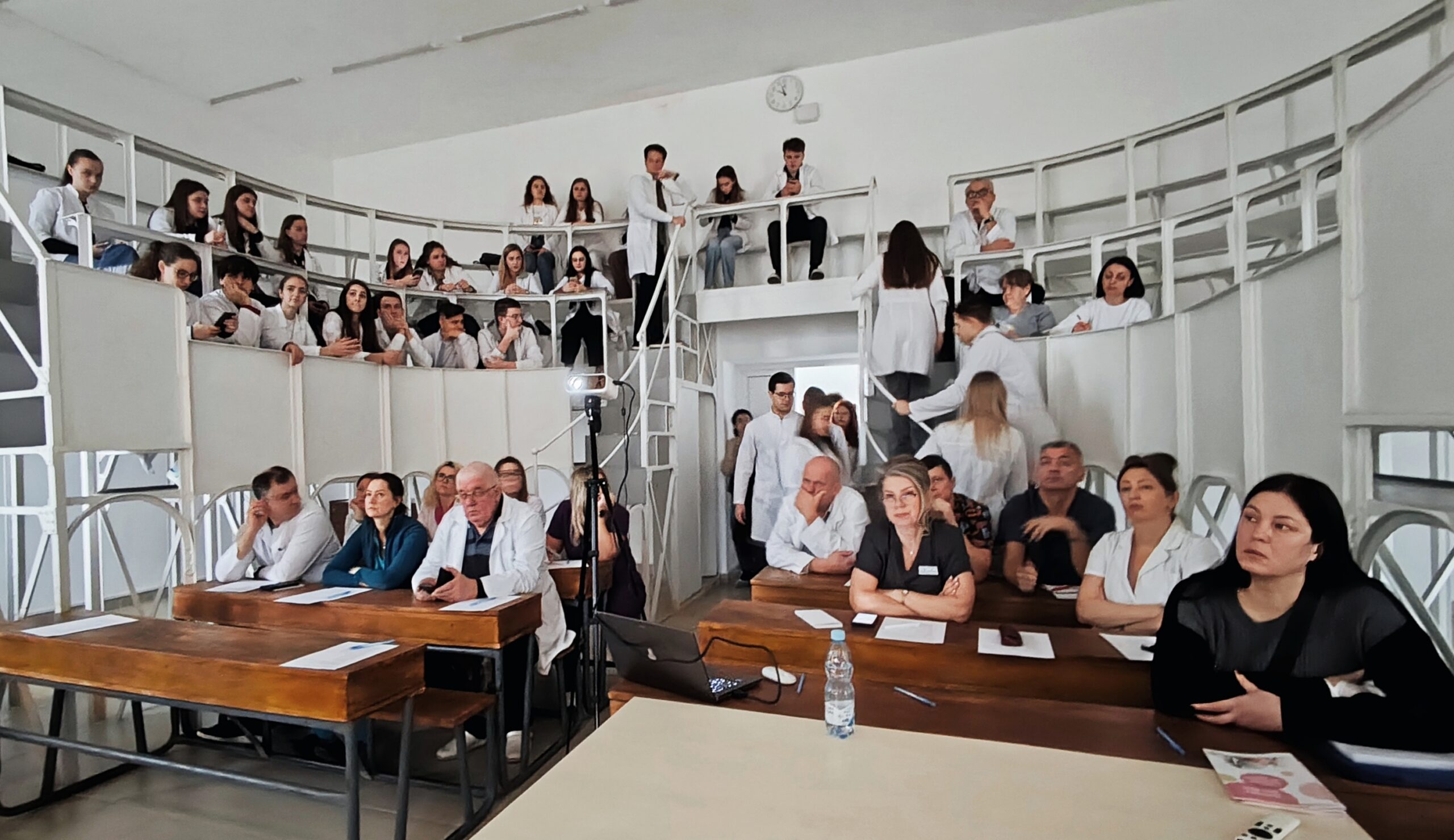 Ukraine’s experience demonstrates that even in the context of war, communities can do more than document problems—they can help solve them.
The publication was developed to enable organizations in Kazakhstan, Kyrgyzstan, Moldova, other countries across Eastern Europe and Central Asia, and regions facing similar challenges to build on proven approaches, avoid common implementation pitfalls, and accelerate the development of their own CLM systems.
Ultimately, the value of this experience lies not in the chatbot technology itself, but in demonstrating how patients’ lived experiences can be systematically transformed into evidence capable of improving healthcare systems.
Related news
Patients community data as a driver of change: how CLM helped shape HIV policy decisions in Ukraine during wartime

Global Civil-Society Coalition Sounds Alarm on Funding Re-prioritisation Threatening Community-Led HIV, TB and Malaria Services
Dozens of specialists and experts gathered in Moldova to agree on an action plan to empower the communities in EECA countries to improve HIV and TB healthcare system

UHC Day 2024: how to get the most out of this year’s campaign for your country?

