


AIDS 2024: 7 insights regarding institutionalization and integration of CLM in the EECA region
On July 22 in Munich as part of the AIDS 2024 our team organized a session on“Experiences in Institutionalizing and Integrating CLM in Challenging Contexts in Eastern Europe and Central Asia“.
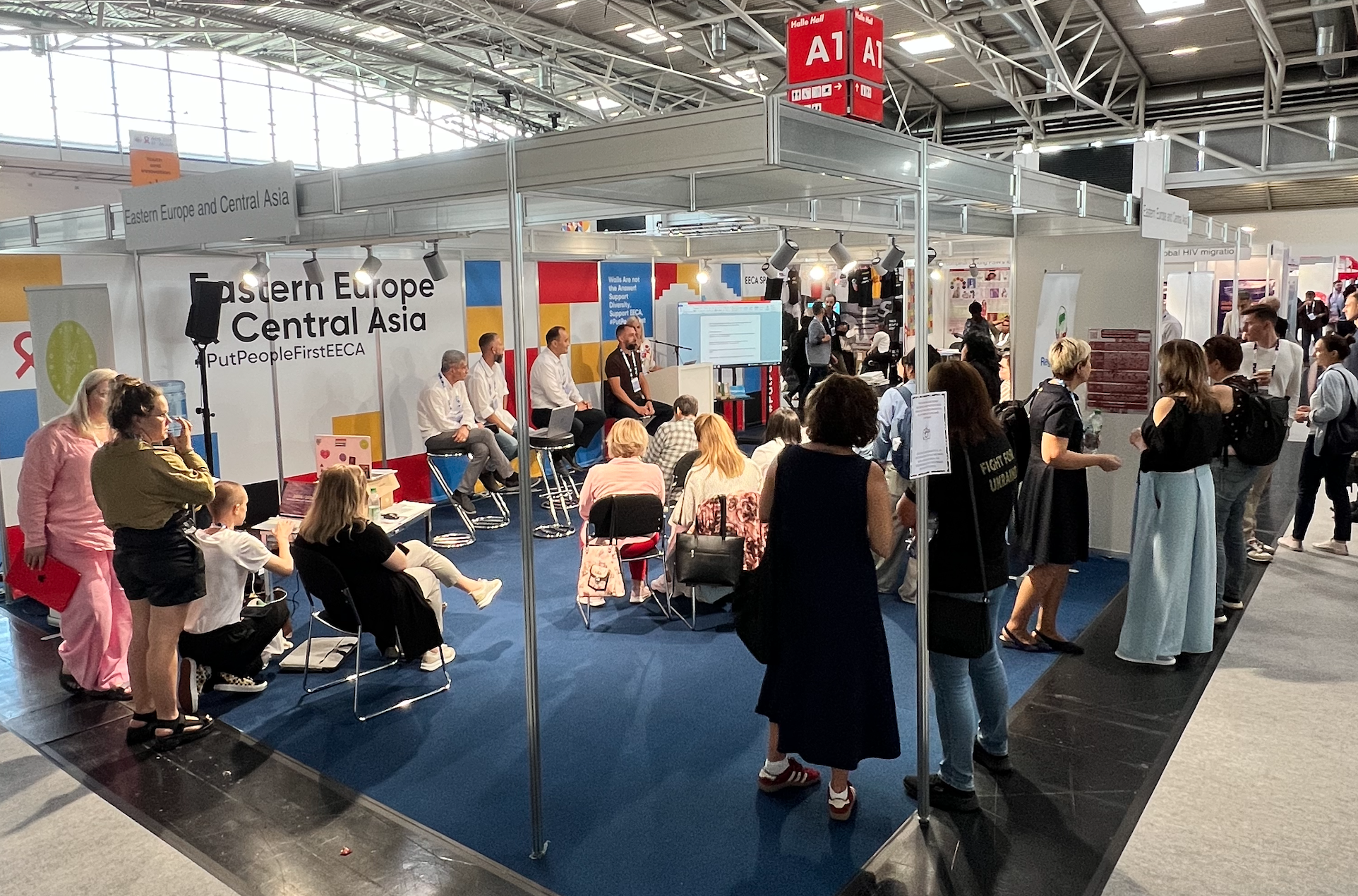 The event began with a brief introduction that set the stage for a series of discussions highlighting the integration, successes and challenges of CLM in HIV programs. This was followed by a comprehensive overview of the implementation and institutionalization of CLM practices in the EECA region – with a focus on how these strategies promote greater community engagement. And the ensuing discussion highlighted both successes and challenges in different national contexts: including Kazakhstan, Kyrgyzstan and Ukraine.
Also it was valuable to hear from government officials from Ukraine and Kyrgyzstan, who emphasized the value of government-to-government partnerships in facilitating the implementation of the MDS, as well as the importance of strategically incorporating community data into national monitoring and evaluation systems, as this significantly improves the accuracy and responsiveness of HIV programs.
For actively participating in the session and presenting unique information, thank you:
- Nurali Amanzholov, Head of Central Asian Association of People Living with HIV (CAAPL),
- Sergiy Mironyuk, Chief Specialist for Project Management and International Cooperation at Public Health Center (Ukraine),
- Aibek Bekbolotov, Deputy Director of the Republican AIDS Center in Kyrgyzstan,
- Olena Strizhak, Chairperson of the Board of Directors, NGO ‘Positive Women’,
- Sergii Dmytriiev, Executive Director Health Advocacy Coalition (HAC).
SUMMARY OF THE SESSION:
1️⃣ There should be a continuous process of strengthening the capacity of community-based organizations to increase their role and effectiveness in the ongoing response to HIV.
2️⃣ Global experience demonstrates that comprehensive and inclusive frameworks for HIV responses cannot be achieved without community participation and, in particular, the integration of CLM practices into national health strategies.
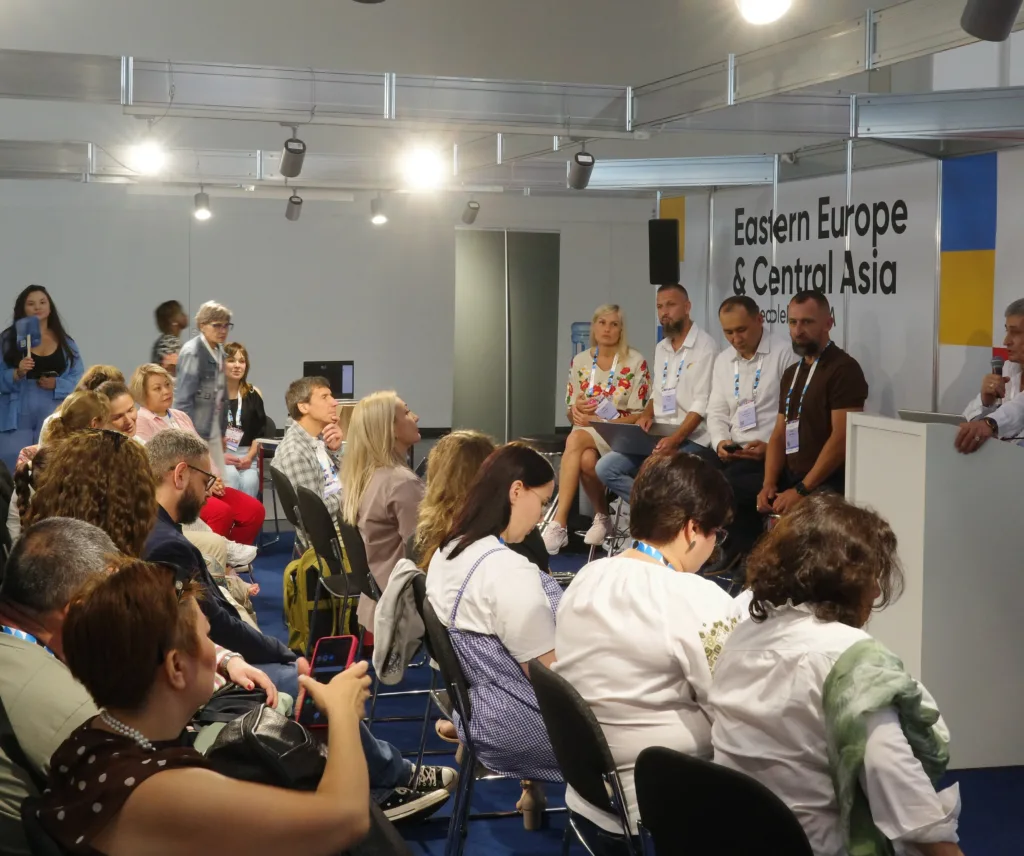
3️⃣ All participants of the event unanimously spoke about the significant contribution to enhancing community engagement through institutionalization of CLM practices in the EECA region – allowing the use of community-derived data to improve both national health strategies and service delivery.
4️⃣ Defining today in the region is the establishment and strengthening of legal and operational frameworks to facilitate the seamless integration of community-based data into national health systems, as well as ensuring that these efforts are sustainable and responsive to the changing landscape of health challenges in the region.
5️⃣ Key challenges: the need for sustainable funding, political support and integration of community data into national systems, as well as establishing legal frameworks, standardizing data collection processes and creating platforms for collaboration between communities and government.
6️⃣ Ensuring sustainable funding for CLM initiatives to maintain and scale up their impact supports the continuity and effectiveness of community contributions to the HIV response.
7️⃣ The guarantee of successful implementation of CLM is not just cooperation between government agencies and community organizations, but the practical consideration of community needs in national health policies and programs.
Related news
Patients community data as a driver of change: how CLM helped shape HIV policy decisions in Ukraine during wartime

Global Civil-Society Coalition Sounds Alarm on Funding Re-prioritisation Threatening Community-Led HIV, TB and Malaria Services
Dozens of specialists and experts gathered in Moldova to agree on an action plan to empower the communities in EECA countries to improve HIV and TB healthcare system

UHC Day 2024: how to get the most out of this year’s campaign for your country?

