


AIDS 2024: 7 insights on decentralization of HIV-associated services in EECA
On July 23 in Munich, as part of the AIDS 2024 our team organized a session on “Decentralization of HIV-associated services: what is unique in the experience of the countries of the EECA region?”.
To make HIV care more responsive and accessible to those most in need, the first priority is to create a link between Universal Health Coverage (UHC), primary health care and integrated treatment for HIV, tuberculosis (TB) and hepatitis C (HCV). This is what the discussion with the participants was all about and thank you for actively participating and presenting valuable information:
- Stela Bivol, World Health Organization (WHO),
- Zahedul Islam, Civil Society Engagement Mechanism (CSEM) and and Alliance for Public Health,
- Mari Chokheli, Social Equation Hub (SEH),
- Pulod Jamolov, SPIN Plus,
- Aybar Sultangaziev, Association “Partner Network”,
- as well as Denis Godlevsky (CSEM, ITPC EECA) for the moderation.
SUMMARY OF THE SESSION:
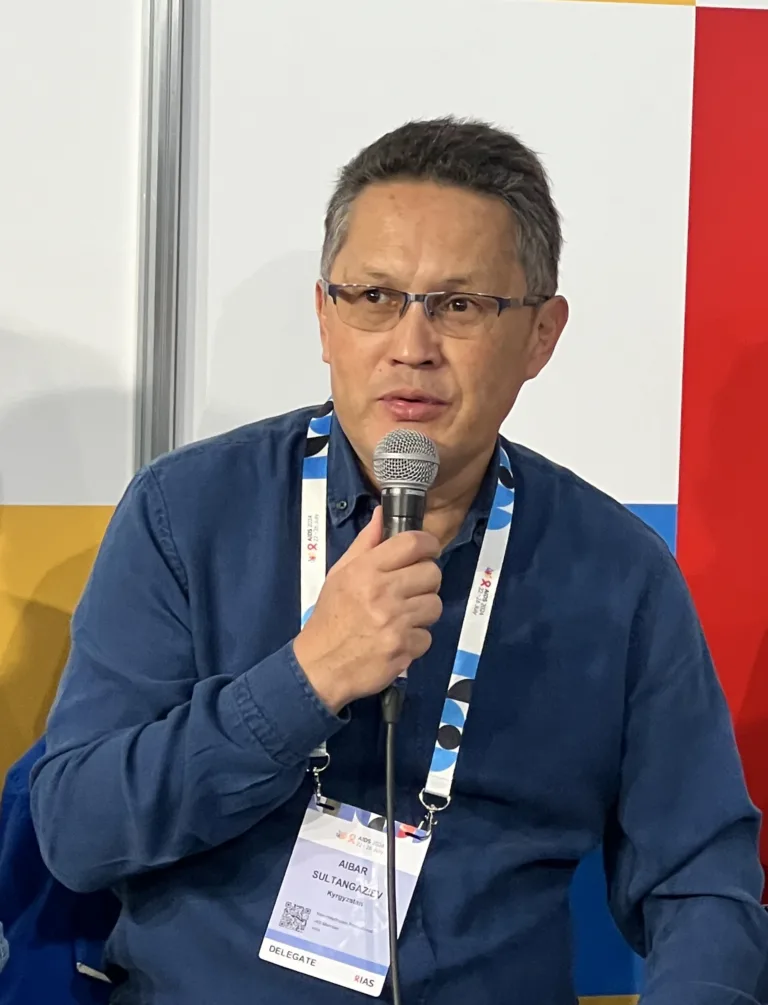 1️⃣ Decentralization of HIV services in the EECA region is a necessary reform, not an option. There are different national and regional approaches, which our partners have presented based on the experience already gained in this direction. And while responding to current challenges, it is important to adapt strategies to local conditions and stakeholders.
Decentralizing HIV services requires a pragmatic approach that considers the local context. In Kyrgyzstan, integrating HIV services with other health services has been beneficial, but we need to address issues such as financial barriers and the coordination of care – Aybar Sultangaziev, Association ‘Partner Network’
2️⃣ Strengthening policy and programme coherence, increasing investment in primary health care and fostering collaboration across sectors and organizations are key to advancing the response to the HIV epidemic.
3️⃣ In order to improve health systems and increase the efficiency of service delivery, 3 factors are important: integration of HIV-associated services with primary health care, cooperation with NGOs at different stages and processes of system functioning, and utilization of international experience.
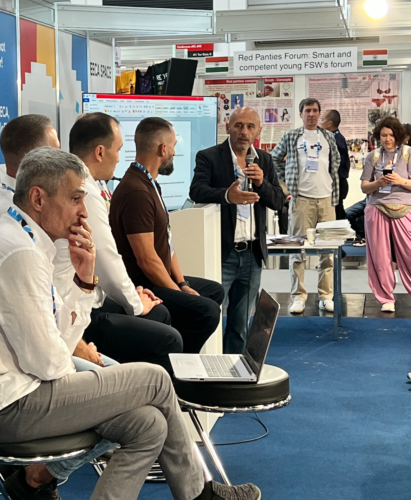
In Tajikistan, the decentralization of HIV services began actively in 2020. We have integrated it into primary care settings in several regions, which has improved access and treatment adherence. However, challenges such as stigma and the need for further integration remain – Pulod Jamolov, SPIN Plus
4️⃣ In order to achieve better health outcomes and more effective care for people living with HIV, it is important to ensure comprehensiveness – integrating HIV prevention, treatment, rehabilitation and palliative care into a basic package of HIV services.
5️⃣ To strengthen the public health system, it is worthwhile not only to reach out to officials, practitioners and community activists, but also to find new stakeholders: to develop innovative decentralization approaches and pool resources.
6️⃣ To effectively address stigma and discrimination, it is necessary to continuously improve and conduct training activities for health personnel.
In Georgia, we are expanding HIV testing and treatment to private clinics to improve accessibility. This involves training healthcare providers and NGOs to work together effectively. Despite challenges, such as stigma and the legal environment, we are making progress in decentralizing HIV services – Mari Chokheli, SEH
7️⃣ Ongoing monitoring and evaluation is needed to track progress and make necessary adjustments to existing concepts and programs for decentralization of HIV services in the EECA region.
Related news
Patients community data as a driver of change: how CLM helped shape HIV policy decisions in Ukraine during wartime

Global Civil-Society Coalition Sounds Alarm on Funding Re-prioritisation Threatening Community-Led HIV, TB and Malaria Services
Dozens of specialists and experts gathered in Moldova to agree on an action plan to empower the communities in EECA countries to improve HIV and TB healthcare system

UHC Day 2024: how to get the most out of this year’s campaign for your country?

