


UHC 2024: how can we integrate WHO priorities into the work plans of CSOs in the EECA region?
In early April, our team held another consultation with country partners on Universal Health Coverage (UHC). This was the fourth online meeting held for civil society representatives and advocates from EECA countries.
WHO IS THE FOCUS OF THE WORK OF THESE CIVIL SOCIETY ORGANISATIONS AND WHY?
The epicentre of the organisations’ work is to improve the quality of life of people living with HIV, TB, hepatitis, as well as vulnerable groups: people who inject drugs, men who have sex with men, sex workers, prisoners and sexual partners of all these groups.
‘Such meetings are very important for us because they create a platfor m for discussion: between civil society organisations and affected communities with representatives of global and local institutions of the сoverall health system. This insanely speeds up the search for the best solutions on the way to helping the tens of thousands of people who need HIV-associated services today – especially given the context of decentralisation and reform of health systems in the countries of the EECA region’, – states Denis Godlevskiy, member of Civil Society Engagement Mechanism for UHC2030 (CSEM).
Teams of organisations from 10 countries work through social protection and improvement of the quality of life of their beneficiaries, community mobilisation and involvement in decision-making in health care and relevant services, implementation of harm reduction programmes, representation and advocacy at national and international levels, and expanding access to both health and social services.
WHO EXACTLY INITIATED THE EVENT?
Among more than 20 civil society participants and contributors to this consultation were:
- Kazakhstan > Nurali Amanzholov representing Central Asian Association of People Living with HIV
- Moldova > Svetlana Doltu from AFI: Act for Involvement, Cristina Celan from Center for Health Policies and Studies, also Liudmila Marandich representing Inițiativa Pozitivă
- Tajikistan > Pulod Dzhamolov from SPIN Plus
- Kyrgyzstan > Aibar Sultangaziev together with Aisuluu Omuralieva representing Association “Partner Network”
- Ukraine > Oleg Dymaretskyi from VOLNa, Olena Stryzhak representing Positive Women, Olha Klymenko and Olexandra Denysenko from TBPEOPLEUKRAINE
- Belarus > Irina Statkevych from Positive Movement and Anatoliy Leshenok representing People PLUS
- Armenia > Zhenia Mayilan together with Ovsep Davtyan from Real World, Real People
As well the meeting joined HAC regional partners – Giorgi Soselia, Ekaterina Rizhkova-Sebelieva and Mari Chokheli from the think tank Social Equation HUB, Julia Kalancha and Lesia Tonkonog from The TB Europe Coalition (TBEC), and Anna Koshikova from Eurasian Movement for the Right to Health in Prisons (EMRHP).
WHAT WAS THE HIGHLIGHT OF THE AGENDA?
A lively and frank discussion on the most relevant issues and challenges lasted more than two hours. In the first part of the meeting the focus was on 2 topics: familiarisation with the current issues on UHC in the countries of the WHO European Region, and discussion of cooperation with civil society groups in the evaluation of UHC in the EECA region for 2024.
The keynote speaker at the consultation was Aliya Kosbaeva, Programme Specialist in Health Workforce and Service Delivery, from the WHO Regional Office for Europe. She spoke about the global situation with health expenditures and tracking of such expenditures, which is implemented by WHO with a focus on the countries of the European Region. She also informed about the main priorities of the WHO European Office in the field of UHC. Special attention was paid to human resources issues, as well as to practical activities that the countries of the region have implemented and are planning to implement.
In the second part of the consultation, civil society representatives from Georgia, Tajikistan, Kazakhstan and Kyrgyzstan shared their experience in implementing various projects in the field of UHC: including community monitoring, implementation of digital solutions, as well as existing barriers in providing UHC to key populations.
Particular attention during the discussion was paid to the issue of access to health care in places of detention. In 2024, the WHO Regional Office for Europe plans to publish a paper on health in prison systems, which we will share as soon as the data is made public.
WHAT’S FURTHER?
‘The information we have heard today from our colleagues at WHO can be a catalysing point for the participants of the consultation to take practical action at the level of their countries to optimise the integration of specialised health systems into the overall health system. We believe that such partnerships at the national level will ensure that specialised health services 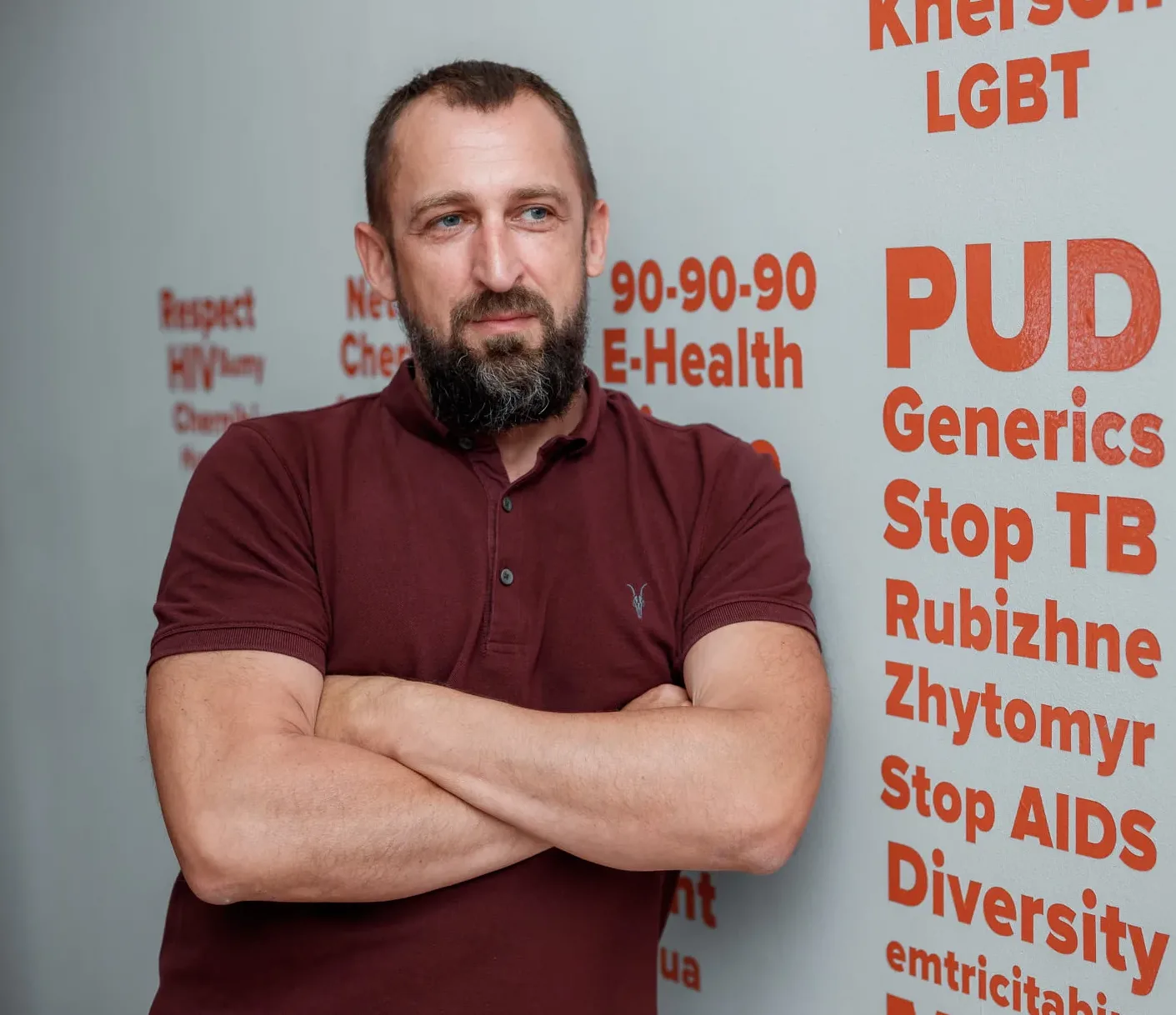 are of adequate quality and will improve the quality of life of clients/clients, as well as their access to such services. On the part of HAC, we encourage civil society organisations to build closer and more effective partnerships with WHO national offices and initiate similar dialogue: based on specific national challenges and issues.
Equally encouraged to engage with national working groups and platforms co-ordinating primary health and social care reform processes: to ensure appropriate quality of services for the population groups under discussion and to ensure that services are geographically closer to these groups’, – remarks Sergii Dmitriev, Executive Director of HAC.
For those who were unable to attend the event, we are publishing key materials:
- presentation by Aliya Kosbaeva;
- Out-of-pocket payments for primary health care unaffordable for millions in Europe, new WHO report shows >> analytics reveals gaps in access to health care for people in vulnerable situations, and suggests policy options to address these gaps;
- Shining light on women’s contributions: celebrating their role in informal care >> the WHO article provides information on the lack of support, difficulties (emotional, physical, social, financial, informational), and insecurity about health risks for the 32 million women who regularly care for family, friends or neighbours in the EU;
- Health and care workforce in Europe: time to act >> the report proposes effective policy and action planning responses to the emerging challenges of staffing of health and social care workers (with a focus on doctors, nurses, midwives, dentists, pharmacists and physiotherapists for whom data are available), and identifies relevant course of action options and expected outcomes, including potential facilitating or hindering factors;
- Can people afford to pay for health care? New evidence on financial protection in Tajikistan: summary >> analytics, based on microdata from household budget surveys, assesses the extent to which the population of Tajikistan experiences financial difficulties in utilising health services and making direct payments
- interactive database UHC watch >> displays progress in healthcare accessibility in Europe and Central Asia, aggregates thematic analyses and reports, enables data generation and comparisons across different indicators.
Related news
Patients community data as a driver of change: how CLM helped shape HIV policy decisions in Ukraine during wartime

Global Civil-Society Coalition Sounds Alarm on Funding Re-prioritisation Threatening Community-Led HIV, TB and Malaria Services
Dozens of specialists and experts gathered in Moldova to agree on an action plan to empower the communities in EECA countries to improve HIV and TB healthcare system

UHC Day 2024: how to get the most out of this year’s campaign for your country?

